Our Core Services
Design of renewable energy systems
The design for renewable energy systems process must consider local geography, weather patterns, and community needs to ensure that these systems are both effective and sustainable.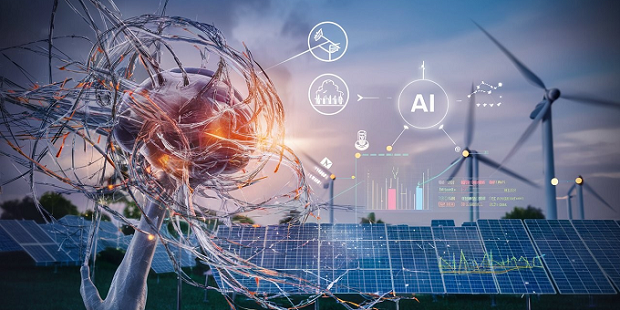
Design of renewable energy systemsThe design for renewable energy systems process must consider local geography, weather patterns, and community needs to ensure that these systems are both effective and sustainable. |
|
|---|
Renewable energy systems are crucial for sustainable power generation and reducing reliance on fossil
fuels. This document outlines key principles and considerations for designing effective renewable energy
systems.
Site Assessment
- Evaluate local renewable resources (solar irradiance, wind patterns, geothermal potential)
- Analyze geographical and topographical features
- Consider local climate conditions and seasonal variations
- Assess proximity to power grid and transmission infrastructure
Technology Selection
- Solar photovoltaic systems
- Wind energy installations
- Geothermal heating and cooling systems
- Biomass energy solutions
- Hydroelectric power systems (where applicable)
System Sizing and Capacity Planning
- Determine energy demand and consumption patterns
- Calculate required system capacity
- Consider future growth and scalability
- Optimize system size for cost-effectiveness and efficiency
Component Selection
- Choose high-quality, efficient equipment (e.g., solar panels, wind turbines)
- Select appropriate inverters and power conditioning systems
- Implement energy storage solutions (e.g., batteries)
- Ensure compatibility between system components
Grid Integration
- Design grid-tie systems for surplus energy feed-in
- Implement smart grid technologies for efficient energy management
- Ensure compliance with local grid connection requirements
- Consider microgrid capabilities for enhanced resilience
Environmental and Social Considerations
- Assess environmental impact and minimize ecological footprint
- Consider visual impact and aesthetic integration
- Engage with local communities and stakeholders
- Ensure compliance with environmental regulations and permitting requirements
Economic Analysis
- Conduct cost-benefit analysis and ROI calculations
- Consider available incentives, subsidies, and tax benefits
- Evaluate long-term maintenance and operational costs
- Assess potential revenue streams (e.g., power purchase agreements)
Safety and Reliability
- Implement robust safety measures and fail-safe mechanisms
- Design for extreme weather conditions and natural disasters
- Ensure compliance with industry safety standards and regulations
- Plan for regular maintenance and performance monitoring